
From the Venice Biennale to Art Basel (1/4)
Category 1 Artists: Blue-chip Galleries × Object/Image-Oriented
If we are to consider this year'sVenice Biennaleand extend to the upcoming, highly anticipated opening of Art Basel Basel I first noticed Category 1 artists: they not only useconceptsthat are relevant within this edition's In Miner Keycuratorial context,but also transform these concepts intoworks with distinct forms and visual appeal.In other words, they raise questions in Venice and can also appear in market settings like Basel.
This group is arguably the most "market-friendly" main list of players between Venice and Basel.
Wangechi Mutu (Arsenale)
Galleries: Gladstone Gallery, Victoria Miro
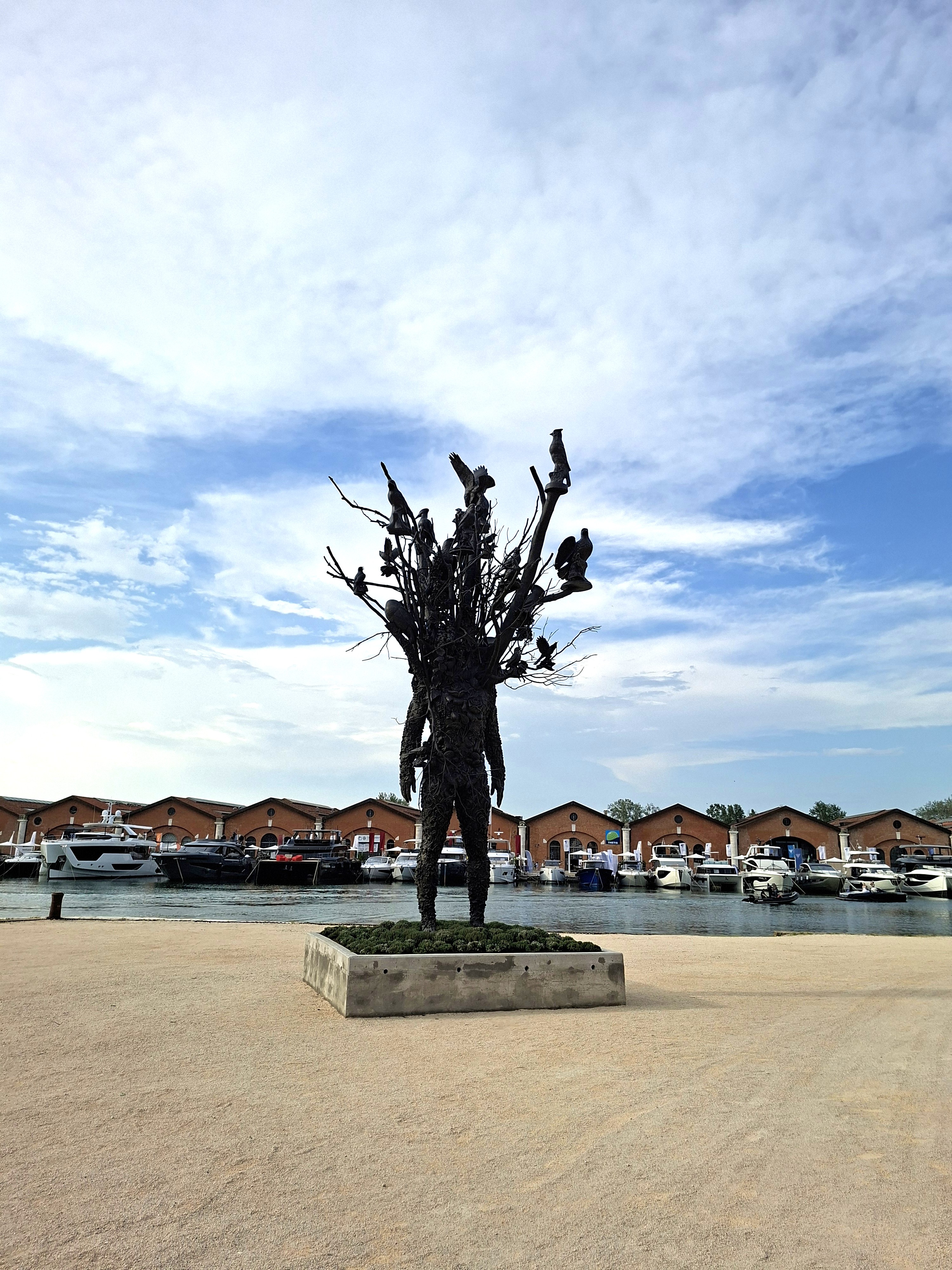
Wangechi Mutu's works combine sculpture and collage, usingthe Black female bodyandthe African diaspora experience, creating a universe imbued withmythical, botanical, and aquatic qualitiesandfeminine power.
This year, she was invited to the main exhibition of the Venice Biennale, where in theGiardini and Arsenale areas, she presentedlarge-scale site-specific installations. For collectors interested inBlack female art or African diaspora narratives, or in therelationship between body and nature, she is a very important artist.
Torkwase Dyson (Arsenale)
Pace Gallery
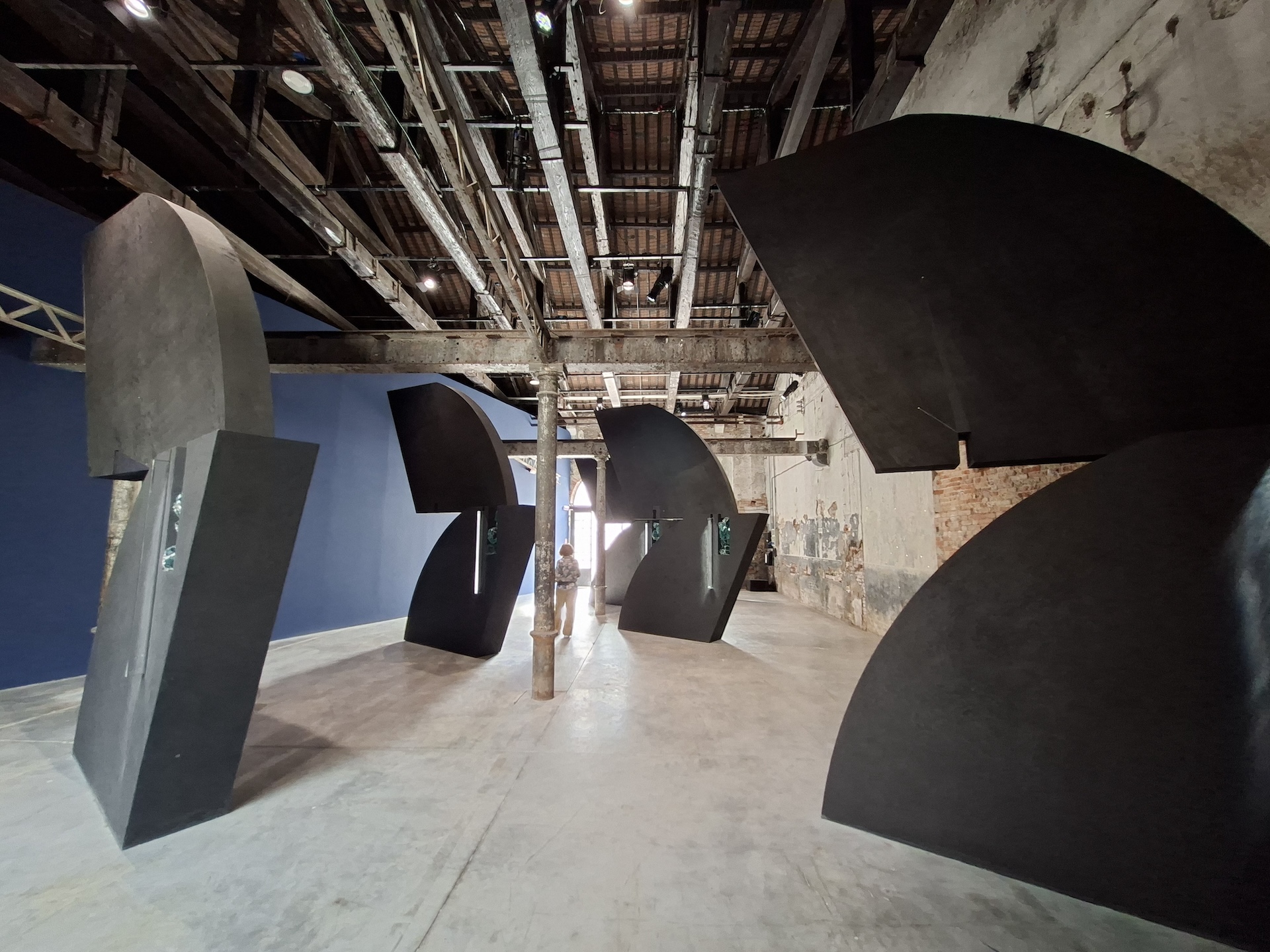
On the surface, Torkwase Dyson's work appears to be close toAbstract Art, but the issues she addresses are too interesting, conveyed through large abstract paintings,sculptures, and spatial installations, ponderinghow the body moves, is restricted, escapes, or reorients itself within different power structures.
Her works, I believe, whether forseasoned collectorsornew collectors, offer something intriguing. This is because they don't tell stories through direct visual narratives, but instead compress history, body, and space into a very powerfulabstract form.
For collectors who appreciate abstract art but also hope thatabstraction is not merely formal beauty but carries historical and political connotations, Dyson is an artist well worth watching.
Lubaina Himid (UK Pavilion)
Greene Naftali, Hollybush Gardens
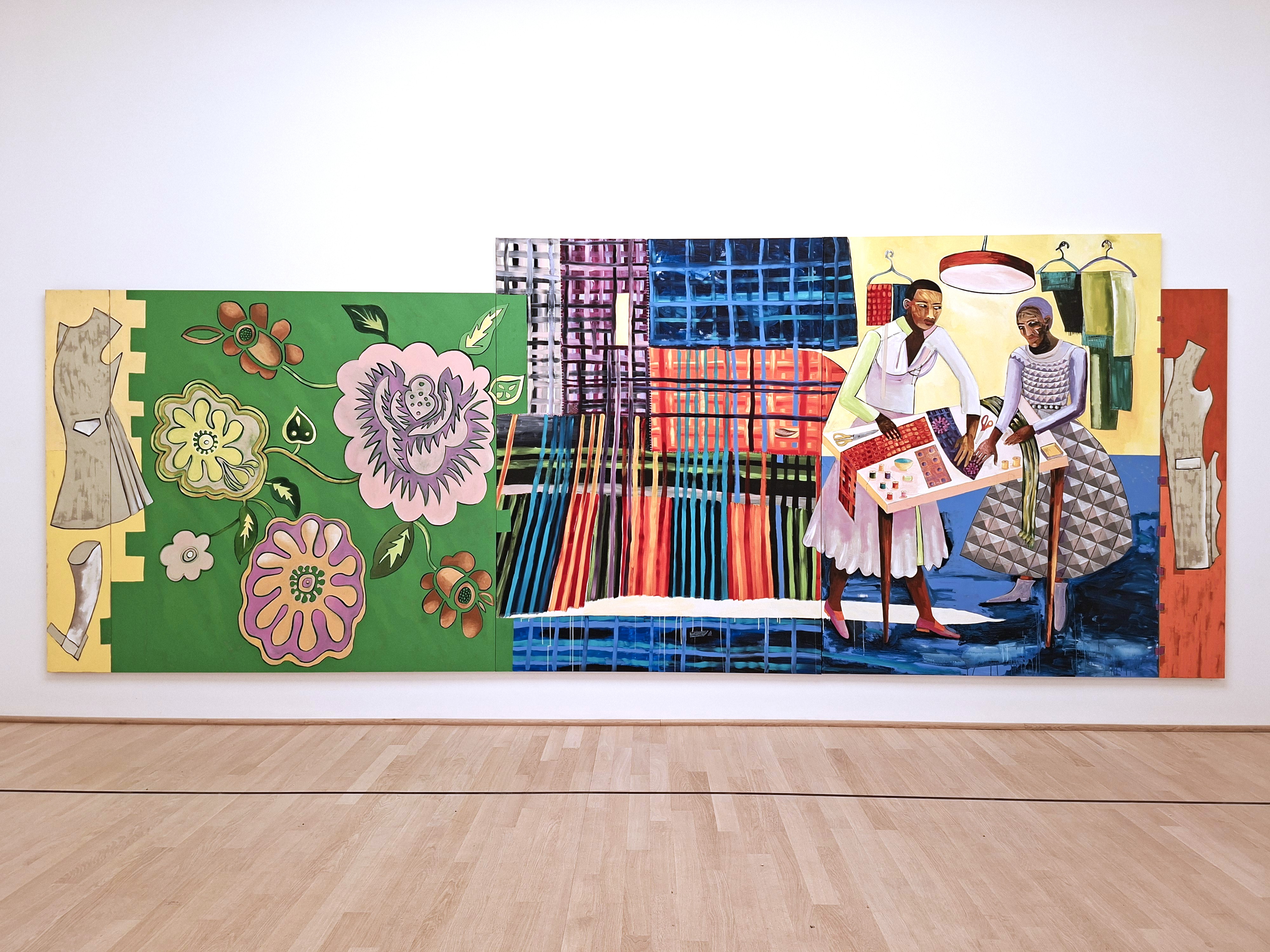
Lubaina Himid isin British contemporary arta very important artist, curator, and cultural activist.A Turner Prize winner, she has long focused onBlack subjectivity, British history, colonial legacy, and issues of visibility.This year, sherepresents the British Pavilion, continuing to use painting and space to raise questions about history, viewing, and national identity.
Her works are distinctly painterly, with vibrant colors and highly recognizable figures. Himid has long worked within the British art establishmentto promote the visibility of Black artists, and continuously ponders: Who is remembered by history? Who is depicted in the frame? Who is allowed to have an inner life? For collectors, she is an artist who possesses bothhistorical significanceand artistichigh aesthetic quality.
Nick Cave (Armory Show)
Jack Shainman Gallery
Nick Cave's Soundsuits are among the most recognizable works in contemporary art. These pieces lie betweenClothing, sculptures, performance props, and body armor, often composed of sequins, beads, fibers, found objects, and various decorative materials. They appear opulent, but behind the opulence lies the violent experience of Black bodies in Americansocietyandself-protection.
Cave's works are eye-catching presences whether at biennials or art fairs because they are truly beautiful, simultaneously placingexistence, race, performativity, protection, and resistancetogether. For collectors, his work is a clear example: Beauty is not only skin deep; beautiful ornamentation can also be a profound defense, a protest, a way for individuals to reclaim power.
Sara Flores (Peru Pavilion)
White Cube, CLEARING
Sara Flores isthe firstto representPeruat the Venice BiennaleIndigenous artist. Her work uses the Shipibo-Konibo women's generational kené visual language, drawing intricategeometric patterns.
On one hand, her work possesses a strongvisual order and graphic appeal; on the other hand, kené is related to the body, nature, spirituality, and healing traditions, as well asIndigenous knowledgeand how it entersthe contemporary art systemis concerned.
For collectors, Sara Flores's work offers an excellent entry point: beyond being appreciated and felt, it also guides us into the spiritual context behind it.
Nicholas Hlobo (Armory Show Section)
Lehmann Maupin, Stevenson
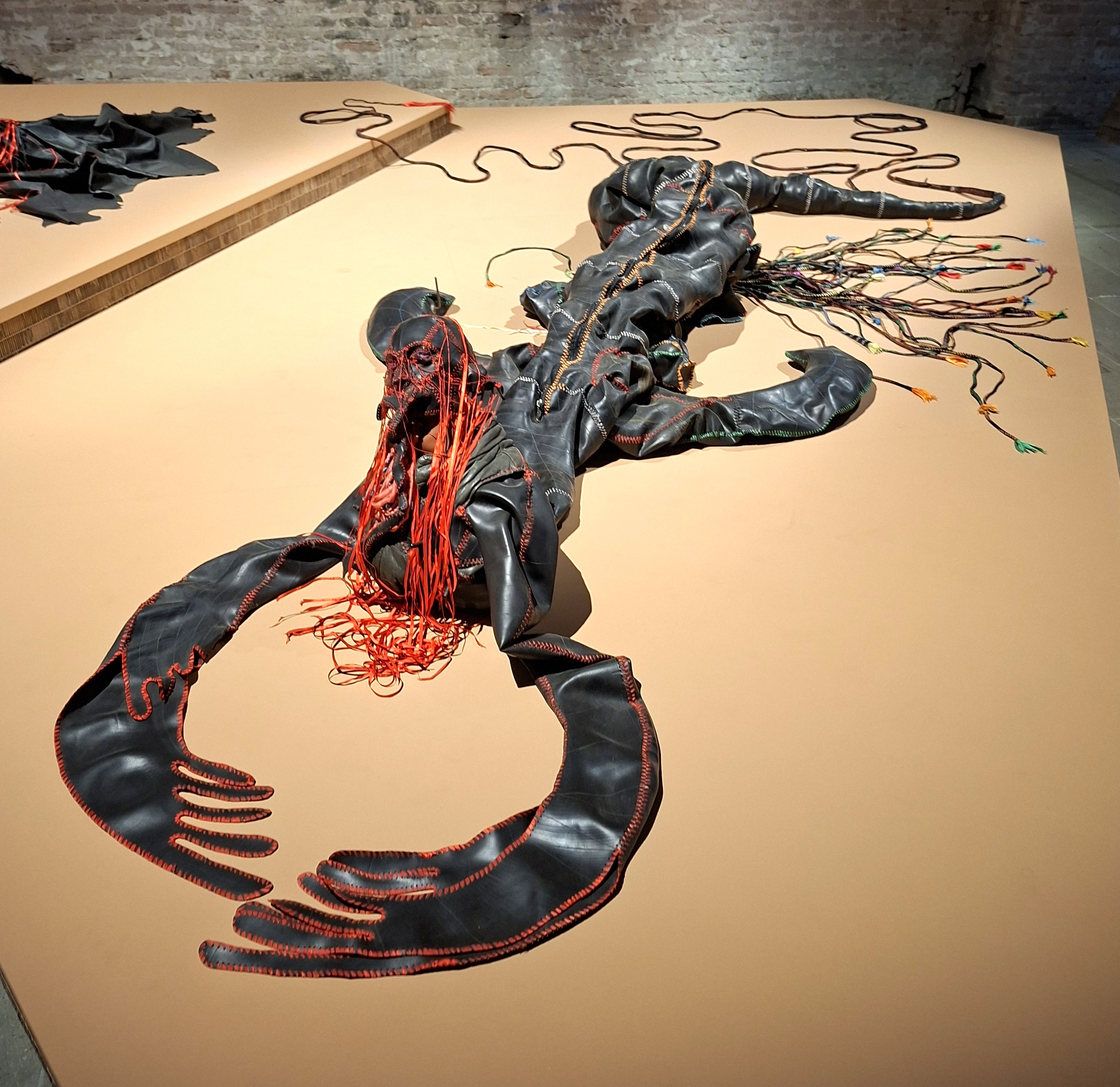
Nicholas Hlobo's work often usesmaterials such as leather, rubber, ribbon, wood, and metal, throughstitching, cutting, perforating, pulling, and assembling, creating something betweenSculpture, the human body, wounds, and clothingworks that explore the space between them. So, although at first glance it might seem a bitBDSM, it also possesses an irresistible, terrifying allure.
His works possess a very distinct objecthood. You don't need to read a lot of text beforehand; standing in front of the work, you can immediately feel that sense of physicality:softness and violence, stitching and rupture, gender and desire, language and identity, all embedded in the materials. For collectors, Hlobo's work possesses a very distinct power, because behind these sculptural objects lie bodily memories and gender politics.
Billie Zangewa (Garden Section)
Lehmann Maupin, Galerie Templon
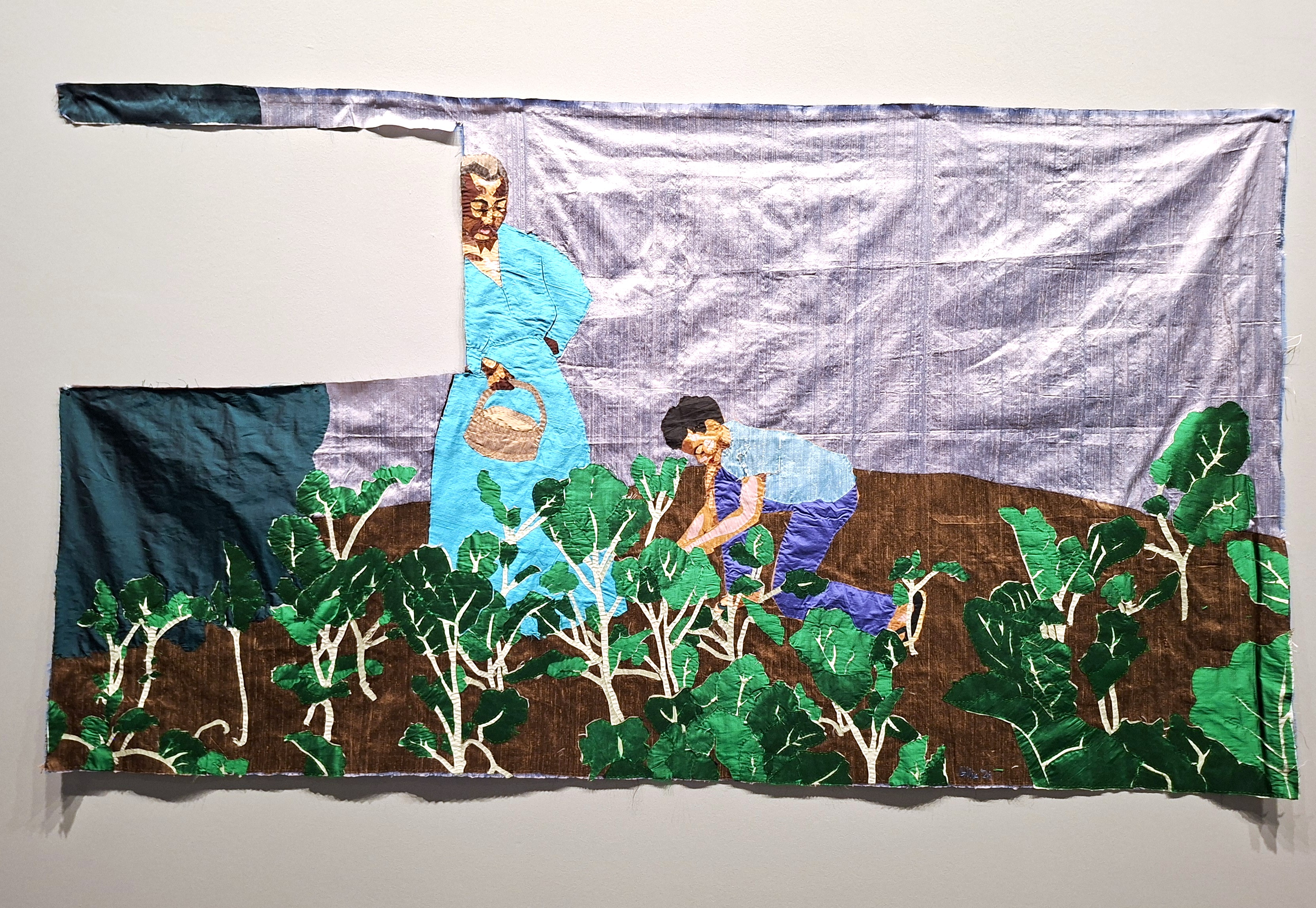
Billie Zangewa is known for hersilk collages, and she often depictswomen's daily lives, domestic spaces, intimate relationships, and self-care. Her works appear gentle and bright, making them truly delightful to behold.
However, Zangewa's significance lies in her ability to placewomen's daily livesback into thecenter of artistic viewing. Kitchens, beds, motherhood, housework, rest, intimate moments—these subjects, often considered "not grand enough," are transformed in her silk works intoA dignified and lustrous scene. For collectors, her work is highly captivating, and also very suitable for those interested inwomen's art, fiber artsand everyday politics.
Dana Awartani (Saudi Arabia Pavilion)
Lisson Gallery, Sfeir-Semler Gallery
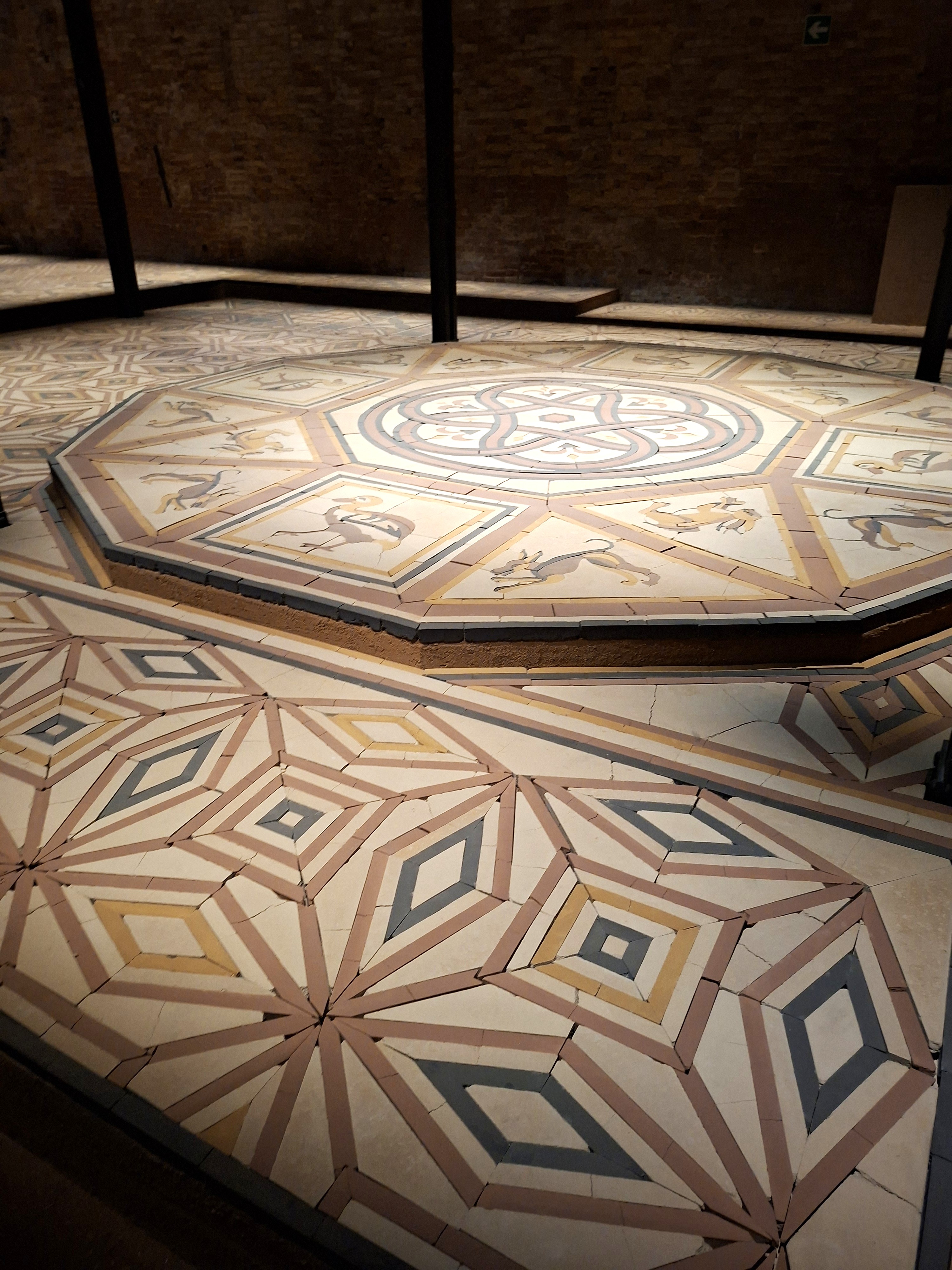
Dana Awartani's work combinesIslamic geometry, architectural memory, manual techniques, destruction and restoration, in a highly poetic way. Drawing from traditional craftsmanship and geometric order, she contemplatescultural heritagehow it can be destroyed by war, modernization, and political violence, and how it might also bere-mended.
Her work possesses undeniable formal beauty, a sense of material, and traces of handcraft. Through these exquisite geometric patterns, Awartani offers us aproposal for restoration: after a cultural space is destroyed, can art not only preserve memory, but also become a form ofmethod for re-stitching? For collectors, her work offers a collecting direction that lies between beauty, craftsmanship, architecture, and historical trauma.
Who do I recommend this group of artists to?
I would recommend this type of artist to collectors who seek a balance between "academic endorsement, gallery support, artistic appeal, and market stability" collectors.
For the most part, they arenot newly emergingartists, but rather have already accumulated a track record in the Venice Biennale, museum exhibitions, important institutions, or major gallery systems. In other words, their value is already supported byexhibition history,art historical contextandgallery resourcesas support.
This doesn't mean that artwork prices don't fluctuate, but compared to artists whose careers are driven purely by short-term buzz, the market structure for this type of artist istypically more established. Prices may not be low, but they are not inflated without basis; for collectors who want to enter contemporary art collecting but also hope tominimize undue uncertaintyfor collectors, they offer a relativelybalanced option.choice.
-
Next up:From the Venice Biennale to Art Basel (2/4)
The second type of artists are also backed by major international galleries or established gallery systems. However, their work addressesarchives, museum systems, war memory, colonial trauma, institutional critiqueand other issues, appealing to collectors interested in acquiringa particular intellectual stancecollectors.
#VeniceBiennale #ArtBasel #venicebiennale #artbasel

Viki Kuo 郭中荃
Originally from Taoyuan, she has worked in contemporary art galleries and museums in Taipei, Beijing, and Shanghai since 2007, focusing on exhibition planning, artist research, and observing the art scene. After moving to Paris in 2020, she became responsible for planning and teaching art courses for Paris–Taipei Express. Her approach combines a researcher's perspective with firsthand experience from the art world, guiding readers/students to understand the creative concepts, art historical/cultural contexts, and viewing methods of contemporary art. Guo Zhongquan / Paris-Taipei Express has since organized and delivered over 60 online and in-person (Paris/Taiwan) lectures and courses. She has also served as an art lecturer at institutions such as EAC French School of Art and Culture Management (Paris, 2024), IESA Paris School of Arts and Culture Management (2024–2026), OneArt Taipei Art Fair (2024–2025), Lufu Living Aesthetics Foundation, and Tongxue She.
Follow
